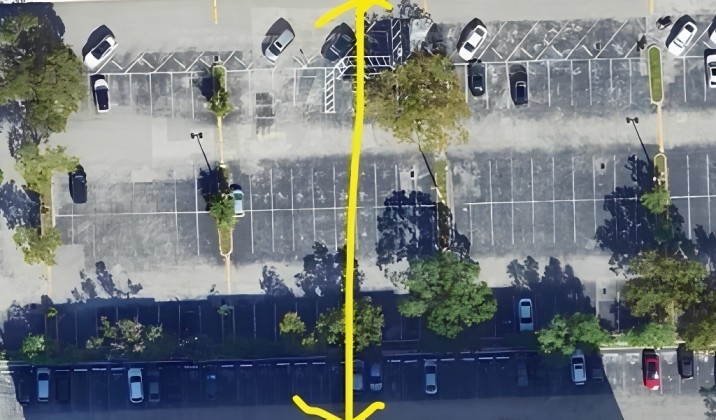
In many modern construction projects, space is no longer available. Contractors face many problems when working in busy, tight areas with underground utilities. It isn't always possible to use traditional digging methods. This is why this type of directional drilling was not widely used at that time.
These small but powerful tools are used to reduce the problem on the job site while maintaining the installation accuracy. Whether it is fiber optic cables or gas pipelines, they get the job done with minimal surface damage. This balance of size, control, and performance makes them the most important part of trenchless drilling solutions.
In this blog, we will discuss compact directional drill tight spaces applications, benefits, and how they improve modern trenchless construction.
Understanding Compact Directional Drilling In Tight Spaces
Compact directional drilling is the use of smaller HDD tools designed for restricted areas. These tools reduce the need for large setup areas and are perfect for residential areas, confined access areas, and urban work environments.
When designed with advanced steering control, flexible rods, and efficient power units, they help ensure accurate bore alignment and smooth control throughout the process, even in tight ground environments.
Why Tight Spaces Are A Major Challenge in HDD Projects
Tight-space drilling presents multiple constraints that impact project planning and execution:
Limited equipment access and staging area
Increased risk of surface disruption
Proximity to existing underground utilities
Restricted movement for support vehicles
Noise and safety restrictions in residential zones
In cities across the USA, utility expansion often occurs in developed areas where excavation is impractical. This is where compact HDD systems offer a clear advantage by minimizing surface disturbance while maintaining drilling precision.
How Small Rigs Handle Big Jobs
Despite their size, compact directional drilling rigs are engineered for high-performance output. Their capabilities include:
Precision Steering Systems
Modern compact tools are used with an advanced locating system, which helps to operate or adjust the drill path in real time. This ensures accurate alignment even in complex underground environments.
High Torque in Small Frames
Smaller tools are built with efficient drive systems that can handle tough soil conditions like clay, sand, and mixed ground.
Efficient Fluid Management
They are made to support the overall stability, make drilling smoother, and efficiently remove soil up to the surface.
Quick Setup Design
Compact rigs are easy to set up and start, helping save time and improve efficiency on short-duration jobs.
These features help small tools handle work that used to require larger machines.
Essential Advantages Of Compact HDD Equipment
Compact directional drilling systems provide several operational and logistical benefits:
Reduced surface disruption in populated areas
Lower mobilization and setup costs
Faster project execution in confined zones
Easier compliance with municipal restrictions
Improved accessibility for residential installations
In utility expansion projects, especially fiber optic and water line installations, these advantages translate into fewer delays and less public disturbance.
Compact Rigs Vs Maxi Rigs Vs Mini Rigs HDD
Understanding equipment classification is critical when selecting the right system.
Compact rigs are designed for tight urban and residential environments with moderate bore lengths.
Mini rigs are often used for small utility installations, short runs, and backyard projects.
Maxi rigs handle large-scale infrastructure work such as long-distance pipeline installations and river crossings.
The comparison between the maxi rig vs. mini rig HDD highlights the trade-off between power and accessibility. While maxi rigs deliver high pullback capacity, compact rigs provide unmatched flexibility in constrained environments.
Choosing the correct rig depends on soil conditions, bore length, product diameter, and workspace availability.
Applications Of Compact Directional Drills
Compact HDD rigs are widely used across multiple industries:
Residential Utility Installations
Compact tools are usually used for residential utility work, such as water services and electric pipe installation, and are ideal for directional boring in residential projects, where maintaining landscapes is very important.
Municipal Infrastructure Upgrades
Cities use compact rigs for upgrading aging underground systems without major excavation.
Telecommunications Expansion
Fiber optic deployment in suburban and urban areas relies heavily on compact HDD methods.
Gas and Water Line Installation
They handle short to medium utility runs efficiently in busy underground areas.
For example, service providers offering missile-boring West Palm Beach solutions often face coastal soil challenges and tight residential layouts, where compact rigs are preferred.
Technical Considerations And Limitations
While compact rigs offer advantages, they also come with limitations:
Reduced bore length compared to larger rigs
Lower pullback force for large-diameter installations
Limited performance in extremely hard rock conditions
Dependence on skilled operators for precision control
Contractors must evaluate soil conditions and project scope carefully before selecting compact equipment, especially in projects like trenchless boring in Orlando. In some cases, hybrid approaches combining compact and larger rigs may also be required.
Operational Best Practices For Tight-Space HDD
To maximize efficiency in compact drilling environments, operators typically follow these practices:
Conduct detailed utility mapping before drilling
Use precise bore planning software
Maintain consistent drilling fluid pressure
Monitor steering systems continuously
Adjust bore paths dynamically based on soil feedback
These steps help reduce risk and improve accuracy, especially in congested underground environments.
FAQs
1. What is a compact directional drill, and why is it used?
It helps install underground utilities where open trenching can't be done or doesn't make sense.
2. How is it different from large rigs?
It's smaller, fits tight spaces, and handles shorter bore jobs.
3. Is it safe for residential work?
Yes, it's commonly used in residential areas with minimal surface damage.
4. What makes tight-space drilling difficult?
Limited access, nearby utilities, and strict safety requirements.
Final Thoughts
Compact directional drilling has changed the way utility and infrastructure work is completed in tight and busy areas. With proper control and flexible setup, small tools can handle work where traditional digging is not practical.
They work well in busy urban areas and growing local areas where space is limited. As cities keep growing, there is a greater need for efficient trenchless work, making compact HDD systems essential in today's construction projects
Explore Reliable Trenchless Solutions For Complex Urban Projects
Learn how trenchless drilling is used in residential and urban utility projects. Visit Trenchless Drilling, LLC, for detailed insights, methods, and solutions for efficient underground construction work.